
Corporate lawyers play a vital role in helping their employer operate responsibly, manage risk and meet their legal and regulatory obligations. In-house practice offers complex, interesting and rewarding work, and it is increasingly attracting lawyers earlier in their careers. In Victoria, more than 4,000 lawyers now work for companies or not-for-profit organisations - around one in seven of all practising lawyers - reflecting a significant shift in the legal services landscape.
In‑house practice is a particular area of focus for us as the legal regulator. We understand the tension that can arise from being both an independent legal adviser and an employee of the organisation you advise. Those pressures can be heightened for lawyers working alone or in small teams, without access to the wider support structures available in private practice.
We are also mindful of recent public inquiries in Australia and the United Kingdom that have underscored the importance of professional independence, sound judgement and ethical integrity in in‑house roles.
To support Victorian lawyers working in corporate settings to navigate these challenges - and to better understand our expectations - we have consulted with corporate lawyers, professional bodies and academic experts to develop and promote three new guidance resources.
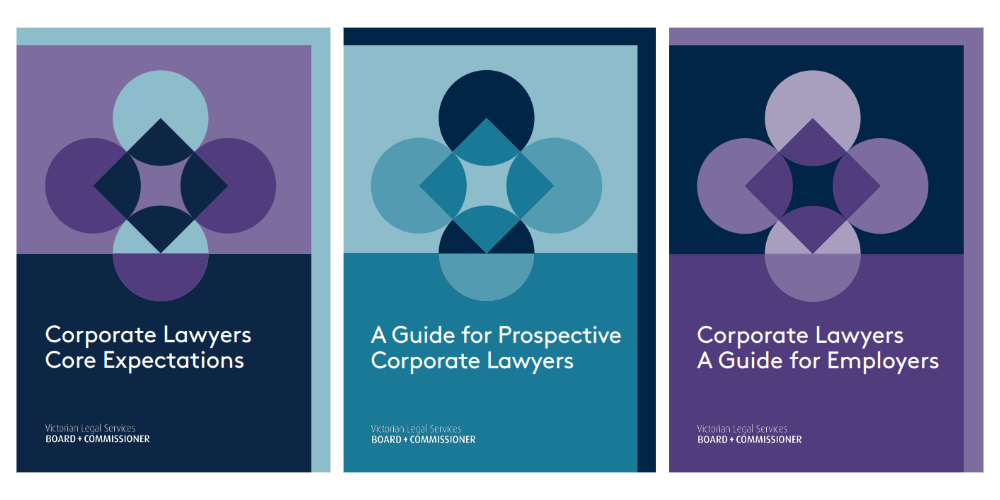
Core expectations for corporate lawyers
This guidance explains what professional and ethical practice looks like for corporate lawyers. It covers fundamental duties, professional independence, identifying who your client is, managing conflicts, access to senior decision‑makers, and the importance of supervision, mentoring and ongoing professional development.
While the core expectations guidance is not binding, it reflects the current ethical parameters for corporate in-house practice that we would expect you to be familiar with. It would also be a relevant consideration for us in considering any allegations of ethical misconduct.
Information for employers of corporate lawyers
This information explains employers’ responsibilities, what they can and cannot expect from their in‑house lawyers, and how to support independent, ethical legal advice within organisations. If you are the most senior lawyer in your organisation, you should ensure your employer is provided with this information.
Read Corporate Lawyers: A Guide for Employers
Guidance for prospective corporate lawyers
This guidance helps lawyers considering a move in‑house understand the role, undertake due diligence, and assess culture, support and supervision before accepting a position. If you know lawyers who may be considering an in-house role, this guidance may be a useful tool to help them make their decision.
Connecting with us
We are keen to hear from corporate lawyers about:
- their response to the guidance
- new topics where guidance would help to clarify professional obligations
- possible scenarios (real or hypothetical) that could be used as examples of challenging ethical situations and options for managing them.
- professional support and suggestions for strengthening peer support and mentoring networks
- other initiatives for in-house lawyers that you think the VLSB+C could support.
Share your feedback and ideas at policyandconsultations@lsbc.vic.gov.au. You can also email a request for a policy officer to contact you if you would like to discuss issues or ideas about in-house practice.